
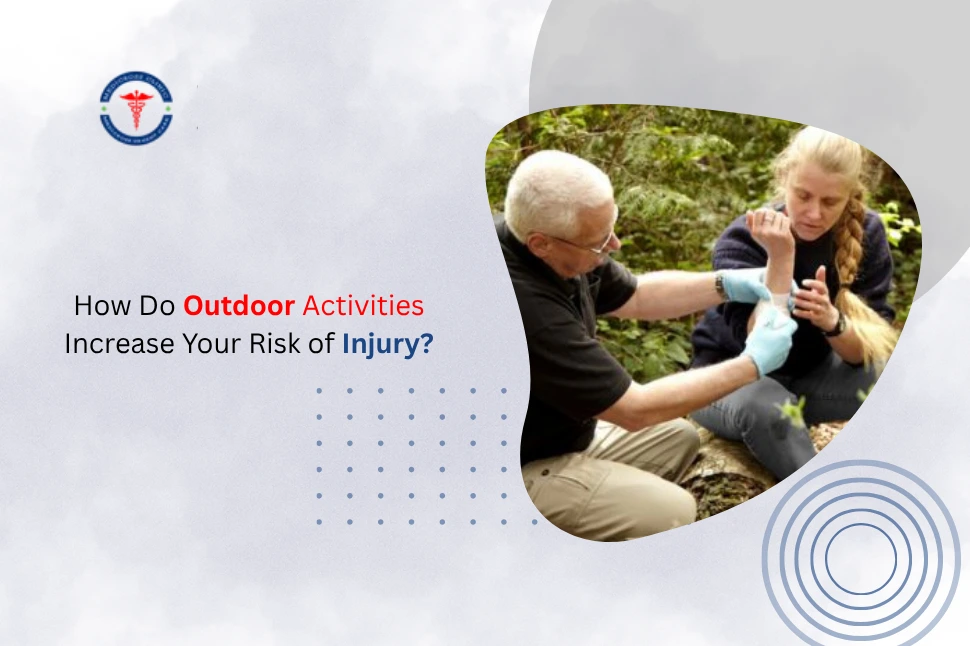
Outdoor activities are fun. We can walk, run, ride bikes and play games. They support our health and happiness.
But sometimes, being outside can also cause injuries.
At Medicross Clinic & Urgent Care, we help people who get hurt while playing outside. We know how these risks can happen and how they can impact adults and children.
Below, we explain how outdoor activities increase your risk of injury and how to prevent injuries while staying active.
Why Outdoor Activities Can Be Risky
Being outdoors lacks the safety found indoors. The ground may be slick. Weather conditions can shift quickly. Hazards might go unnoticed.
Minor situations can lead to injury. You could:
- Fall on a rock
- Slip on the grass
- Fall off a bike
Engaging in sports like soccer or hiking can result in cuts, bruises, or sprains.
Staying active is great, but be careful.
How Do Outdoor Activities Increase Your Risk of Injury?
Outdoor spaces are not always smooth or safe. Unlike indoor areas, nature is unpredictable. This can increase the chance of getting hurt.
Uneven Surfaces and Terrain
Trips and falls can happen when walking on dirt trails, rocks and turf. A slip or trip can cause:
- Sprained ankles
- Knee injuries
- Cuts and bruises
It even happens to seasoned walkers on slippery or steep trails.
Weather Conditions
The weather is an important consideration. Sun, wind and rain can all cause problems:
- In the heat, people can become dehydrated and suffer from heat exhaustion
- Cool weather can cause muscles to stiffen and cause falls
- Wet or icy conditions can cause a slippery floor
If the weather changes rapidly, your body may not adapt.
Limited Visibility
You may not see things clearly in reduced lighting or visibility. Activities in early or late afternoons increase the risk of:
- Missing obstacles
- Colliding with others
- Losing your path
Physical Strain and Overuse Injuries
Outdoor activities can stress muscles and joints due to repetitive motion.
Overuse of Muscles
Doing the same movement again and again can hurt your body. You may get:
- Muscle strain
- Joint pain
- Tendon injuries
For example, long-distance running or cycling can put stress on knees and hips.
Lack of Warm-Up
If you don’t warm up before playing:
- Pulled muscles
- Sudden cramps
- Reduced flexibility
A cold muscle is more likely to get injured.
Pushing Beyond Limits
Trying to go too far or too fast can cause fatigue. When your body is tired:
- Your balance drops
- Your reaction time slows
- Your risk of falling increases
Sports-Related Injuries Outdoors
Outdoor games are adventurous but may result in injury, unless it is taken care of.
Sports Risks
Playing sports outside is fun, but you can get hurt.
You may:
- Bump into others
- Fall down
- Hurt your head
Equipment-Related Injuries
Wearing sports equipment incorrectly can cause injuries:
- Poorly fitting helmets raise the risk of head injury
- Worn out shoes may cause slips
- Broken equipment can fail during use
Lack of Protective Gear
Not using safety gear increases risk:
- No helmet while biking can lead to serious injury
- No pads during skating can cause fractures
Environmental Hazards in Outdoor Settings
Nature has hidden dangers that can impact your health.
Insect and Animal Bites
There may be insects or animals that bite and sting in outdoor areas:
- Roach bites may result in swelling and itching
- Bee stings may lead to allergic reactions
- Animal bites can cause infections
Plants and Allergens
Some plants may irritate the skin:
- Poison ivy may cause rashes
- Pollen is a trigger of allergies
- Grass and weeds may cause itching
Water Hazards
Swimming or water sports are associated with risks:
- Wet floors around lakes or pools
- Risk of drowning
- Waterborne diseases
Burns, Cuts, and Minor Injuries
Outdoor recreation can be in the form of cooking, camping, or sightseeing. These may result in minor injuries.
Burn Injuries
Campfires, grills and hot surfaces can cause:
- Skin burns
- Blisters
- Painful redness
Cuts and Scrapes
Sharp tools, branches, or rocks can result in:
- Open wounds
- Bleeding
- Risk of infection
Even minor injuries should be taken care of.
When to Seek Medical Attention
Some injuries require expert attention. Go to the clinic if you observe:
- Intense pain
- Swelling that persists
- Trouble moving a limb
- Symptoms of infection, such as redness or fever
Seeking help early can prevent long-term problems.
Why Quick Medical Care Matters
Quick treatment is essential when an injury occurs. Overlooking symptoms may exacerbate the issue.
At Medicross Clinic & Urgent Care, we provide swift and effective treatment for:
- Sprains and strains
- Cuts and wounds
- Burns and rashes
- Minor fractures
We integrate primary care with emergency services, thus the patients get the appropriate treatment in time. We provide regular checkups, acute care, telemedicine, and laboratory tests. We aim to support your feel better soon, in a stress-free environment.
Simple Ways to Reduce Injury Risk Outdoors
You can stay safe by:
- Wear shoes and clothes for the activity
- Using safety gear like helmets
- Apply sunscreen
- Drink enough water
- Don’t overexert yourself
- Warm up before and cool down after your activities
- Check the weather conditions
- Stay away from slippery and steep slopes for your safety
Final Thoughts
Outdoor activities can keep you healthy and happy. To stay safe, be aware, plan and know your limits and help will be nearby in an emergency.
Don’t let a minor injury become a major issue. In emergency cases, get immediate attention if you or someone you care about is injured.
Medicross Clinic and Urgent Care offer families good quality care. We handle injuries, provide sports physicals and immunizations. Visit us today or call us to learn about our services.
FAQs
Are outdoor activities more dangerous?
Not always, but they can be risky because of the weather and uneven ground.
What should I do if I get a small injury?
Wash it, dry it and use ice. In case it is not improving, visit a doctor.