
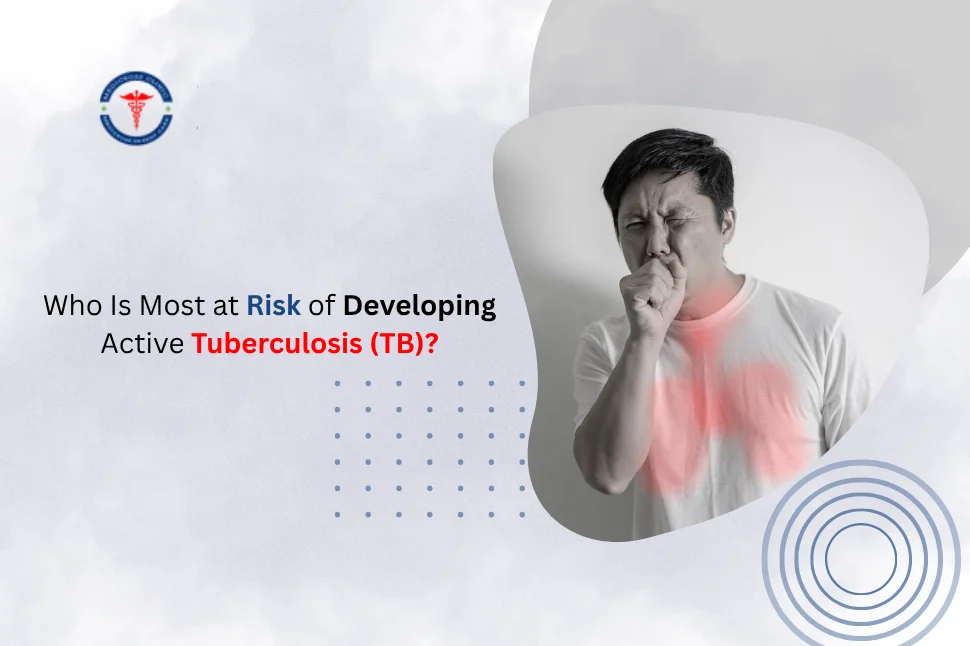
Have you ever heard a loud cough and wondered if it was serious? Sometimes it is just a simple cold. Other times, it might be a sickness called tuberculosis. Most people just call it TB.
It happens. TB is an illness caused by tiny germs that attack your lungs. Because these germs float in the air after a sick person coughs or sneezes, anyone can breathe them in. People often ask, is tuberculosis hereditary or is tuberculosis a hereditary disease passed down through families? The answer is no, TB is caused by airborne bacteria, not genetic traits. Fortunately, your body is incredibly smart and usually fights back right away.
Some people have a higher chance of getting very sick. Their bodies have a harder time fighting off the germs. Today, we will talk about who is at high risk for TB and most in danger of getting active TB. We will also talk about how to stay safe.
Understanding Sleeping Germs and Awake Germs
Before we look at the risks, we need to know how TB works. There are two main types.
- Sleeping TB: Doctors call this latent TB. Although the germs are inside you, they are completely dormant, meaning you won’t feel sick at all and cannot pass the infection to anyone else.
- Awake TB: Doctors call this active TB. The germs wake up and start to grow fast. This makes you feel very sick. You can also spread it to your friends.
Most people only get sleeping TB. Their immune system builds a strong wall around the germs to keep them trapped. The incubation period of tuberculosis can vary greatly, germs can stay dormant for weeks, months, or even years before activating. The danger happens when that wall breaks and the germs wake up. So, who is most likely to have these germs wake up?
People With Weak Body Defenses
Your immune system acts as your personal bodyguard, constantly working to keep you safe from harmful germs. However, if that defense system gets weakened, dormant TB germs can easily wake up. Many health problems can make your bodyguard weak.
- Diabetes: High blood sugar makes it very hard for your body to fight infections.
- Kidney Disease: Bad kidneys leave waste inside your blood. This hurts your immune system over time.
- Cancer: The sickness and the strong medicines weaken your whole body.
- HIV or AIDS: This virus directly destroys your bodyguards.
If you have these problems, you need to be very careful. A simple health test can tell if you have sleeping germs. You can find facts on this from the official Centers for Disease Control and Prevention (CDC) database.
Medicines That Change Your Immune System
Some daily medicines can increase your TB risk. Some drugs calm down your immune system on purpose. Doctors use them to treat bad pain or swollen joints. Other drugs help people who get new body parts (like a new kidney).
While these daily medicines are incredibly helpful for your treatment, they can also force your body to drop its shield, giving sleeping germs the perfect opportunity to wake up. Always tell your doctor about all the pills you take.
Living and Working in Crowded Places
TB germs travel quickly in the air. You need to share air with a sick person to catch it. Key environmental factors of TB transmission include poor air circulation and confined quarters. If you spend time in small, crowded spaces, your risk goes up a lot:
- Hospitals and busy medical clinics
- Jails and crowded prisons
- Shelters for homeless people
- Nursing homes for older adults
If you work or live here, you breathe the same air as many strangers. Someone might have active TB. This makes it easy for the germs to float into your lungs.
Traveling to Certain Countries
Some places have much more TB than the United States. You might breathe in the germs without knowing. The risk is high in parts of Africa, Asia, Eastern Europe and Latin America.
If you visit these places, talk to a doctor first. When you come home, get a health check. This keeps your whole family safe.
Your Daily Choices and Habits
The way you live your daily life can change your risk. Some daily habits hurt your lungs.
- Smoking cigarettes: People often ask, does smoking cause tuberculosis? While tobacco itself doesn’t contain the bacteria, the relationship between smoking and TB is significant. Smoking damages your lung tissues and weakens natural defenses, making it far easier for TB germs to take root and cause active disease.
- Drinking too much alcohol: Alcohol weakens your body and makes you sick.
- Poor diet: Your body needs good food. Without it, your bodyguard gets weak.
- Using illegal drugs: Bad drugs hurt your immune system and overall health.
Taking care of your body keeps germs away. Eat fresh food and rest well.
Babies, Children and Older Adults
Your age is a big factor in getting sick. Babies do not have fully grown immune systems yet. Their bodyguards are still learning. If a baby gets TB germs, they can wake up fast. They can make the baby very sick quickly.
Older adults face higher risks too. Because our immune systems naturally weaken as we age, older adults face a much higher risk. When combined with other underlying health conditions, this makes it much easier for sleeping TB to turn active.
How Medicross Clinic and Urgent Care Can Help You
You do not have to worry alone. Getting tested is fast and easy. Medicross Clinic and Urgent Care is here to keep you safe. We offer quick TB screening. This easy test tells if you have sleeping germs. If you need a test for work, we do employee health testing too, including immigration medical exams.
If you are feeling sick today, you don’t need to wait long to see a doctor. Simply walk into our urgent care center, where we quickly treat colds, the flu and everyday breathing issues. We can even help with primary care. If you are too sick to leave home, we have telemedicine. You can talk to our doctors on your phone.
FAQs
Q. Can my daily medicine make me get TB?
Maybe. Some strong drugs (like pills for bad joint pain) lower your body’s shield. This lets sleeping germs wake up. Always tell your doctor about your pills!
Q. How do I know if I have sleeping TB germs?
A quick test. You will not feel sick at all if the germs are asleep. A doctor can do a fast health check to find them.